

Amid the warm aroma of lovingly prepared food, Francisco Javier Aguayo helped his mother, Gemma Dolores Aguayo, set the Thanksgiving table in 2019.
His mother, the most influential person in his life, had grown to cherish the meaning of this holiday after immigrating to the United States 40 years earlier.
That Thanksgiving, as Francisco Javier — the youngest of her three children — spoke with his mother, she complained of pain for the first time in her 62 years.
“I remember we were setting the table, and she mentioned some stomach problems,” Francisco Javier, then 26-years-old, recalled.
What began as mild discomfort for his mom soon evolved into a health crisis that would bring tough challenges to the entire Aguayo family.
Gemma saw doctors soon after Thanksgiving and learned that she had gallbladder cancer in February 2020.
“The cancer came out of nowhere. It was devastating,” Francisco Javier said.
Within nine months, on October 4, 2020, the cancer had killed his mom.
Like many women, Gemma had been the heart of a family — the key caregiver and the person who brought everyone together.
Francisco Javier still treasures the memory of his mother’s face, glowing with happiness and pride at her two daughters’ weddings, some of her most joyful moments.
“My mother had always been very healthy. She never had any major medical concerns,” said Francisco Javier, 32.
She had also been the bridge of communication between Francisco Javier and his 69-year-old father, whose name he shares.
With his mother’s role as the emotional center of the family gone, Francisco Javier and his family had to adapt, finding new ways to support one another.
Thankfully, Francisco Javier inherited his mother’s energetic, optimistic and endlessly resilient spirit. That prepared him well for the next challenge of his life: saving his dad’s life.
A succession of hardships for the family
In a twist of fate, another health crisis loomed.
Just six months after Gemma passed away at age 63, the Aguayo family had to face a new shadow of stress and uncertainty.
After more than a decade of living with diabetes, Francisco Javier’s dad developed advanced kidney failure and was in urgent need of a kidney transplant.
Tests showed his kidneys were functioning at just 5% of their capacity.
Once again, Francisco Javier faced the prospect of losing a parent, this time, the only parent he had left.
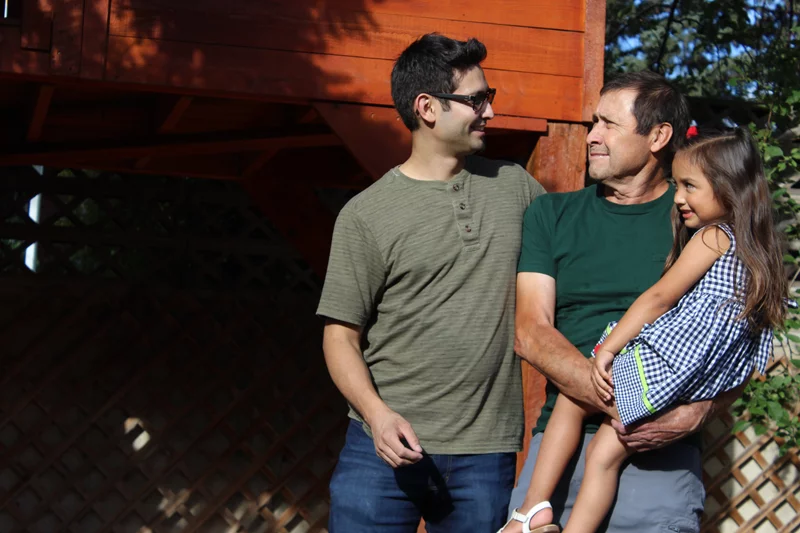
A decisive moment to become a living kidney donor
The possibility of losing his father to kidney failure put Francisco Javier on high alert.
“When my mom passed away, I remember feeling helpless. I couldn’t do anything for her,” he said.
The experience of losing his mother only strengthened his resolve to protect those he loves. Helping his father became more urgent than ever.
“Knowing that my father was sick and facing kidney failure, I wasn’t going to lose another parent, especially after everything we went through with my mother,” he said.
In that crucial moment, Francisco Javier made the decision to become a living kidney donor for his father. (Learn about being a living donor)
“I just stepped forward when I realized he was facing kidney failure,” Francisco Javier said.
He shared his decision with his family members, who were fully supportive.
“My family was 100% supportive of my decision, all the time,” he recalled.
Francisco Javier’s father was transferred from a Denver hospital to the Transplant Center at UCHealth University of Colorado Anschutz Campus.
Francisco Javier donated his kidney to another recipient through UCHealth’s paired kidney exchange program, paving the way for his father to get a kidney transplant.
Through UCHealth’s Hispanic Transplant Program, his father was able to better understand the transplant process, a key step that ultimately led to receiving a kidney.
On July 1, 2021, Francisco Javier’s father received his new kidney.
“My father never asked me to do it. For me, it wasn’t even a question. I just wanted to get the process started as soon as possible,” he said.
Francisco Javier had always had a sense that he would step up to help his family.
He was just 14 when he first learned that his dad had diabetes. From that moment on, he imagined that one day he might face a situation where his father’s life — and his ability to help — could be on the line.
Kidney failure and the need for a transplant
Hispanics have a higher risk of Chronic Kidney Disease (CKD), mainly due to having a higher prevalence of diabetes and hypertension, which are common causes of kidney failure.
Medical experts at the National Kidney Foundation raised the alarm about the impact of kidney disease on the Hispanic community finding that:
- Since 2000, the number of Hispanic people with kidney failure has more than tripled.
- While transplants are vital to long-term survival, many Hispanics face significant barriers to getting kidney transplants.
- Fewer Hispanic transplant patients are able to connect with living donors, whether they are family, friends or strangers.
Dr. Megan Adams, a transplant surgeon at the UCHealth Transplant Center at the Anschutz Campus, specializes in kidney transplants and was a key member of the medical team overseeing the Aguayo family’s father-and-son transplant.

“If someone doesn’t have access to health care or can’t get consistent diabetes care, they are at high risk of developing kidney failure,” Adams said.
That was exactly the case for Francisco Javier’s father, whose lack of follow-up care led to serious kidney complications. He is not alone. Diabetes has a greater impact on people in the Hispanic community:
- Hispanics in the U.S. have diabetes rates that are twice as high as those of non-Hispanic White people..
- Nearly 12% of Hispanic adults are dealing with diabetes compared with about 7% of non-Hispanic White adults.
- Kidney transplant recipients have higher survival rates compared with people who depend on dialysis after their kidneys stop working.
‘‘The long-term survival is much better (after transplant),” Adams said. “If you were to take somebody who got a kidney transplant and compare it to somebody who is on dialysis, the long-term outcomes on from kidney transplant are much better.”
The organ transplant process
Living donation is a surgical procedure in which a healthy adult donates a kidney to someone with kidney failure or end-stage liver disease.
Donors are often family members, friends, or spouses, but the program also allows for altruistic donations, where the donor does not know the recipient.
Living kidney donors, like Francisco Javier, can have a normal life with just one kidney. And they go through extensive counseling and medical checkups before they can qualify to donate an organ.
“We have very strict pre-transplant criteria that patients must meet before receiving a transplant,” Adams said.
One of the most important tests used to determine eligibility for a kidney transplant is the hemoglobin A1C.
“Maintaining good control of your hemoglobin A1C levels helps improve outcomes and reduce complications after a kidney transplant, not only to protect the new kidney, but also to keep the rest of the body healthy and functioning,” Adams explained.
How the body adapts after kidney donation
Receiving a kidney transplant can dramatically improve the quality of life for people with kidney failure. Recovery for the donor is relatively straightforward. Kidney recipients may need to adjust some of their habits.
For Francisco Javier’s dad, the changes were all positive.
“The kidney started working immediately. Everything has gone very well,” he said. “Almost from the beginning, all my results have been excellent, and the kidney is now functioning at over 90 percent.”
For his son, the process of becoming a living donor was both exhausting and rewarding.
“Organ donation is a very extensive process because the doctors need to make sure you’re eligible, not just physically, but also mentally,” Francisco Javier said.
Ensuring that donors are fully aware of the consequences of their decisions and that they have decided to become donors voluntarily is central to the organ transplant process.
“The medical team made sure I was not being coerced, convinced, or pressured in any way because they want to be certain it’s your decision as a donor,” Francisco Javier said.
He now gets to enjoy a normal life. Prior to becoming a donor, he prioritized a healthy lifestyle, not drinking alcohol or smoking. And he always ate a healthy diet. The only significant change has been being more mindful about his sodium intake. Reducing salt consumption can help anyone who wants to take good care of their kidneys.

Follow-up care after kidney donation or transplant
For the past four years, Francisco Javier’s dad has enjoyed great health with his new kidney. At his home in Aurora, Colorado, he loves spending time with his grandchildren in the treehouse he built for them.
He sees his doctors regularly for follow-up appointments.
“For every patient, they’re monitored indefinitely by their primary care doctor, their nephrologist, and the UCHealth Transplant Center,” Adams said.
After a kidney transplant, patients are typically monitored two to three times a week during the first several months.
“Those monitoring periods are gradually spaced out depending on how well the patient is doing, how well they’re controlling their blood sugar and managing immunosuppression,” Adams explained.
“Eventually, the goal is to reach biannual and annual checkups, but the first couple of years require much more frequent monitoring.”
For post-transplant care, it is important to find a medication regimen that works well for each patient. A plant- and fiber-based diet, along with regular exercise, is usually recommended.
“Exercise looks different for everyone, whatever each individual can tolerate,” she said.
How do people become eligible for a transplant?
To become eligible for a kidney transplant, patients go through an evaluation with a multidisciplinary group of specialists to ensure its safe for them to pursue a kidney transplant.
Doctors evaluate whether the patient is healthy enough for a transplant and has enough support to recover after a transplant.
Expanding access to kidney transplants for the Hispanic community
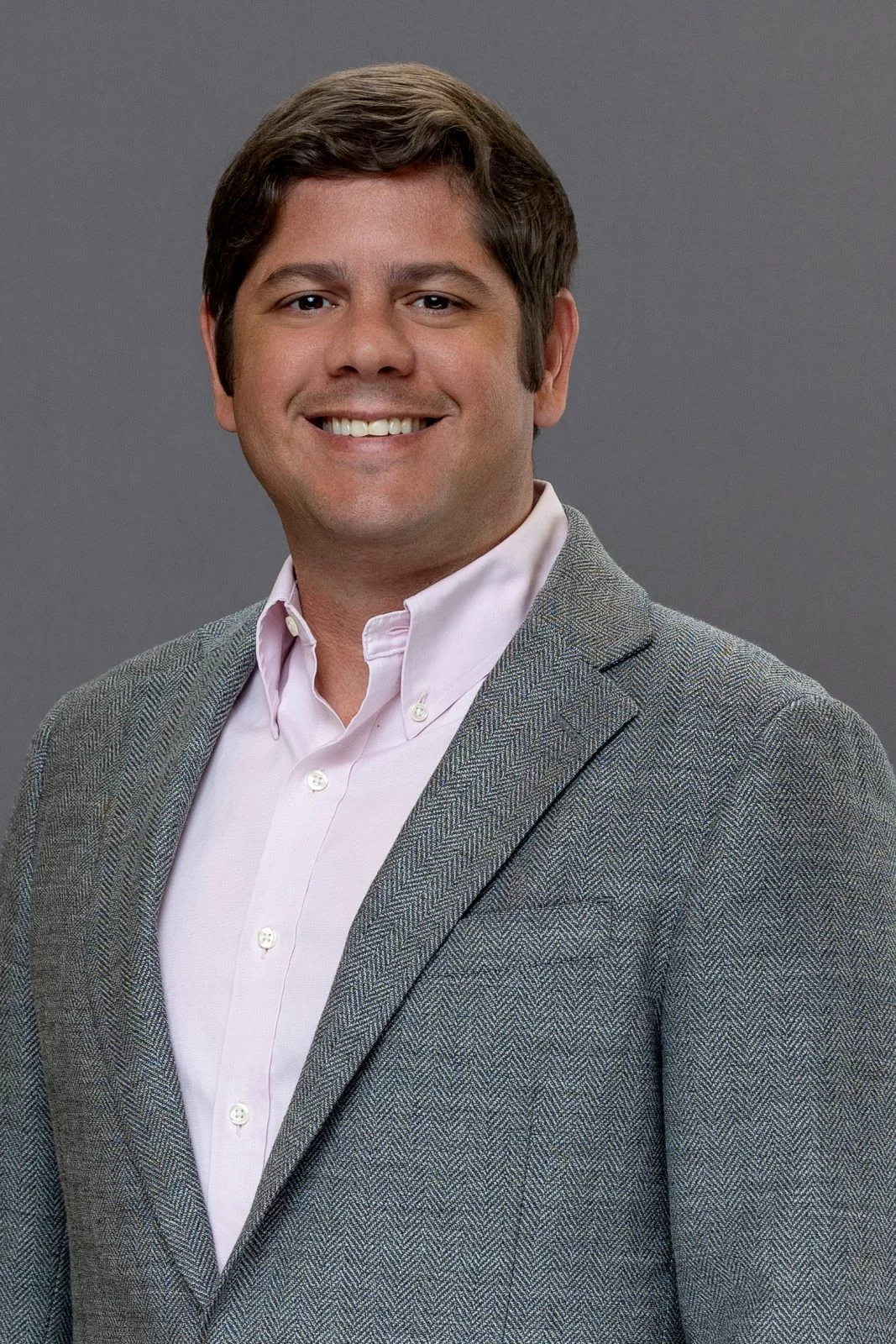
Dr. Sixto Giusti Torres, director of the Hispanic Transplant Program at UCHealth, said Hispanic patients often wait much longer to get transplants than other patients.
Although the need for kidney transplants is high among the Hispanic population due to the high prevalence of kidney failure, significant barriers to transplantation persist.
Barriers to transplants among the Hispanic population include:
- Limited knowledge about transplant services.
- Myths about organ donation.
- Reduced access to health care.
- Lack of trust among some people in the health care system.
Hispanic patients face additional challenges throughout their kidney care journey, including:
- Less frequent visits with a kidney specialist before starting dialysis.
- Lower likelihood of being referred for a kidney transplant evaluation.
- Longer delays in being placed on the kidney transplant waitlist, even after beginning dialysis.
- Longer wait times on dialysis once on the transplant list, which can increase the risk of serious health complications.
- Fewer living kidney donors compared with non-Hispanic White patients.
Understanding these challenges is an important step toward improving access to care, supporting early diagnosis, and ensuring that Hispanic patients receive timely information about kidney transplants and other treatment options, Giusti said. (Learn about Giusti’s research on kidney transplants and health disparities affecting Hispanic communities.)
Doctors have been increasing outreach efforts, and now about one-third of transplant patients are Hispanic.
‘‘Our center has a higher proportion of Hispanic patients when compared to other centers nationally,” he said.
This higher transplant rate is likely due in part to the region’s larger Hispanic population —nearly 23% — as well as the presence of the Hispanic Transplant Clinic, which strives in improving access to transplant care for the Spanish speaking patients, and trust within the community.
‘‘Through our program, we focus on informing the community about the importance of early referral to transplant so patients spend less time on dialysis or ideally avoid dialysis altogether. At the early stages of launching the Hispanic Program, our team did extensive outreach — knocking on doors, visiting community churches, and engaging primary care physicians — to raise awareness about the program and the ability to help those who have language and cultural barriers that might had precluded them from being considered for a kidney transplant before,” Giusti said.
The transplant team at the UCHealth Hispanic Transplant Program typically includes a kidney coordinator, nephrologist, surgeon, pharmacist, social worker, living donor coordinator, and a financial coordinator. All of these team members not only speak Spanish but also understand the key cultural differences. They also have a network of in-person interpreters that are familiar with the language used by the transplant team and can easily translate to the patient and their family members.
Kidney recipients undergo a rigorous evaluation to ensure that they are healthy enough to tolerate the transplant surgery and the medications needed after to keep the body from attacking the new kidney.
‘‘Patients have to be healthy enough to tolerate the surgery and the treatment that goes after, including the medications patients need to take to prevent your body from attacking that kidney transplant,’’ Giusti said.
Once patients are referred and evaluated, a series of tests is ordered and completed.
After this process, the transplant committee determines whether the patient is suitable to be listed, and if approved, they are placed on the waiting list.
This waiting list is part of a national registry that includes all patients awaiting a deceased donor organ, in this case, a kidney.
Placement on the list is determined using a point system that considers multiple factors, with some of the most important being blood type, compatibility, time on dialysis, and time spent waiting on the list for a kidney.
Patients are grouped on the waiting list by blood type and then ranked within that group based on waiting time and other factors. This system helps ensure that donated kidneys are matched as efficiently and safely as possible.
Importance of having a living donor for a transplant
Having a living donor can be a game-changer for several reasons, Giusti said.
Instead of having to potentially wait years for a deceased donor kidney, a patient might only have to wait months for a living donor kidney transplant.
Because the kidney comes from a living person, the wait time is significantly shorter, giving patients a faster path to better health. On top of a faster path to a transplant, living donors offer other benefits.
“Living donors are healthier — significantly healthier — than deceased donors. As a result, the kidney starts working more quickly and lasts longer. Living donations also tend to have fewer complications because the surgery is planned,” Giusti said.
While having a living donor is extremely important, limited awareness of their role and the benefits they provide remains a major barrier to accessing organ transplants.
For many patients in their 50s and 60s, asking a loved one, a son or daughter, to donate a kidney can feel almost impossible, Giusti said.
‘‘They worry about putting someone they care about at risk,’’ he said.
This fear is one of the most common misconceptions the transplant team encounters.
Yet, for donors who are carefully evaluated and deemed healthy, the surgery is generally very safe.
Understanding this can give patients the reassurance they need to consider living donation and, in many cases, take a life-changing step toward a transplant without endangering their loved ones.
‘‘If a living donor passes through that evaluation, it’s extremely safe for them to donate, and the risk for developing kidney failure is less than 1%,’’ Giusti said.
The surgery for donors is relatively simple with fast recovery times.
Francisco Javier agreed.
‘‘As a donor, I continue my normal life, my normal day-to-day (life),” he said.
Surgeons often use robot-assisted techniques, which are minimally invasive and help donors recover faster.
‘‘The surgery is minimally invasive, patients are actually in little pain, and they don’t require strong pain medications other than acetaminophen,’’ Giusti said.
Once Hispanics are referred and listed for an organ transplant, ‘‘they tend to spend more time on the transplant wait list than other racial and ethnic groups, whether they are on dialysis or not,” Giusti said.
He and Francisco Javier strongly encourage fellow members of the Hispanic community to consider organ donation.
A father’s legacy lives on through organ donation
Back when his dad was a young man, Francisco Javier graduated as a bacteriological chemist and earned a master’s degree in biochemistry in Mexico. After migrating to the U.S. with his wife, he worked in construction and remodeling for more than 30 years.
Francisco Javier describes his dad as an incredibly hard-working, moral man.
‘‘I looked up to my dad growing up, because he was always the breadwinner. He was very strong, and even through diabetes, he still powered through, and he was still able to provide enough for my family to live relatively comfortably,” Franscisco Javier said.
When his father developed diabetes, he lacked health insurance, which made consistent treatment and care difficult and ultimately led to kidney failure.
“Diabetes affects the entire body. My kidneys were the most affected,” the father said.
As a husband and father of three, he did physically demanding work that took a constant toll on his body.
‘‘When I heard that my dad’s kidneys were failing, that’s when I said, ‘I guess time for a donation,’ Francisco Javier said. “I didn’t have to think about it. I already had the idea nested in my head for so long, I knew that it was time.”
Francisco Javier embodied commitment, sacrifice and care that he had long associated with his father’s example.
“‘I received a kidney thanks to my son’s donation, and it gives me hope for a longer life,” his dad said.
After Francisco Javier’s mother passed away, he became closer to his father.
“I suppose it was because my mom wasn’t there anymore. That really brought us together. We held each other tighter and cherished each other more than before because we realized how fragile life is.’’
Over time, and following the kidney transplant, Francisco Javier built a strong channel of communication with his father, nurturing and strengthening it each day, fully mindful of the fragility of human life and the fleeting nature of health.
“After the kidney transplant, our communication became much more active. We talk constantly. I always ask my father how he’s feeling, how his blood sugar is doing, how his blood pressure is doing. I want to know these things. It has been a true joy to be so close to my dad.”
Francisco Javier reflected on the life-saving impact that donors can have.
‘‘I would hope that other people, if they have a chance to save their family member, do not hesitate, just do it.’’
If he could turn back time to do something for his mother, he would do it in a heartbeat.
‘‘I love my father. I love my family. And I would have given any part of my body to save my mother,’’ he said.