
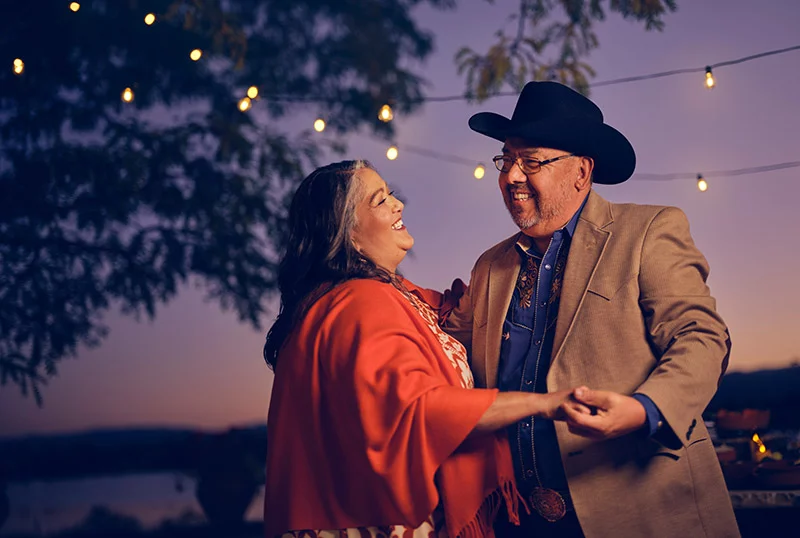
Dana Ramirez captured her husband Miguel’s heart soon after they met 31 years ago.
And now she has one of his kidneys too.
The Denver couple, married for more than three decades after meeting on a blind date, are devoted to one another through good times and bad, sickness and health. That was never more evident than a few years ago, when Dana, then 53 and suffering from stage 5 kidney disease, was being kept alive through dialysis and desperately in need of a new kidney.
Two potential kidney donations from strangers had fallen through, leaving Dana crushed.
Little did she know that a suitable match was so close.
Miguel was the first among family and friends to undergo testing to determine whether he was a good candidate.
“He was the first and only person,” Dana said.
And just like their blind date all those years ago, Miguel was the person she needed.
He was the perfect match.
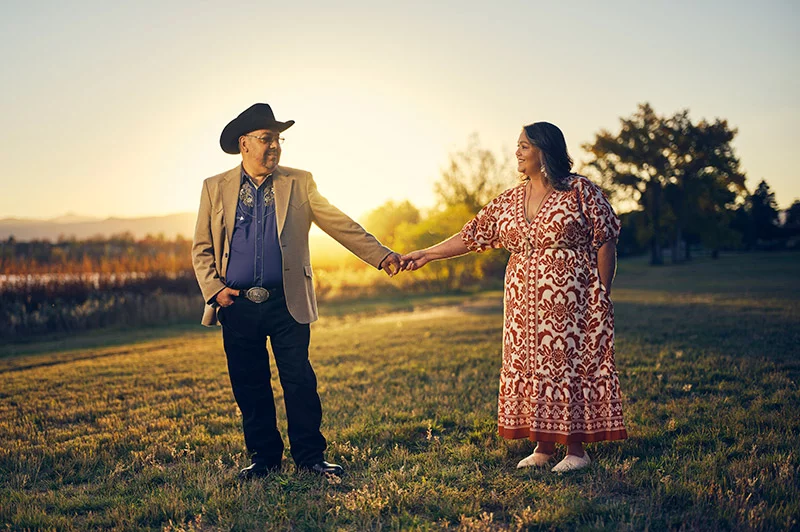
Dana and Miguel meet and build a life together in Denver with their two children
Dana and Miguel met through her brother-in-law, who worked with Miguel, and pestered her to give his friend a chance. One winter night in 1994, the two finally met, went dancing and quickly realized they had a connection.
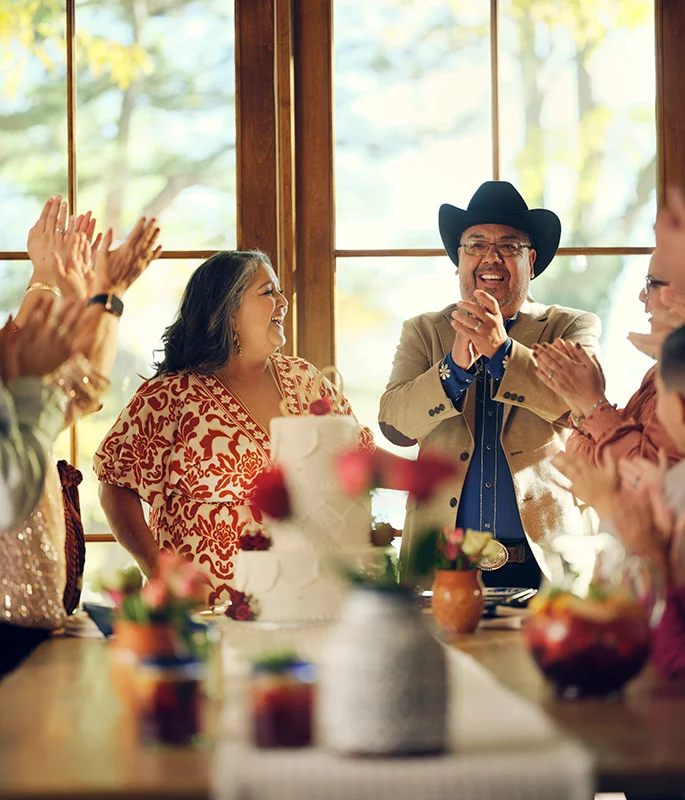
Born and raised in Denver, Dana knew a little Spanish from what she overheard while her grandparents conversed. Miguel, the oldest of five siblings who came to Denver in 1993 from Chihuahua, Mexico, was more skilled at reading and writing English than speaking it.
Still, they were able to bridge their language gap, and their relationship flourished. They went on to marry and had two children: a son, now 30, and a daughter, 25.
Health problems had lurked in the background for Dana for years. She often found herself the caretaker for a large extended family and frequently neglected to take good care of herself. She was 23 when she learned she had type 2 diabetes, a condition shared by both her parents, two sisters, a grandfather and several aunts and uncles.
Diabetes is a chronic condition that occurs when a person’s blood sugar, or glucose, is too high. Our bodies use glucose for energy, and it travels into our cells through the hormone insulin, which is made by the pancreas.
People with diabetes either don’t make enough insulin or their bodies fail to use it properly. Too much glucose in the blood and not enough of it getting to cells can lead to serious health risks such as damage to the eyes, kidneys, nerves and heart.
The years passed, and Dana did her perfunctory bloodwork at her annual physicals and didn’t give too much thought to the disease that so many people in her family suffered from. But in the spring of 2021, when she was 51, a new doctor recommended she see an endocrinologist, doctors who specialize in helping people with their hormones, glands, and the treatment of diabetes.
“I went to the doctor by myself that day and didn’t think anything of it. And then she said, ‘You have stage 5 kidney disease.’ and I looked at her said, ‘What do you mean? What is that?’ I’m thinking stage 5 of any disease has got to be really bad. She told me I needed either dialysis or a transplant.”
Why are kidneys so important? Dana begins a life revolving around dialysis to keep her kidneys functioning.
Kidneys remove waste and extra fluid from our body. Dana was experiencing end-stage kidney disease, also known as ESKD. That meant her kidneys no longer could function on their own. People with ESKD need dialysis or a transplant to survive.
About six months after her diagnosis in October 2021, Dana began dialysis to remove the excess toxins and water from her blood. She was also on medication and getting insulin shots. While the dialysis treatments, four hours a day three times a week, were keeping her alive, she no longer had the life she once did.
“It was like a part-time job,” she said.
Miguel added: “An ugly job.”
Dana felt horrible. She frequently was tired and nauseous and had severe itching (a common side effect of dialysis).
“All the toxins were building up inside me and making me feel so rotten.”
The couple realized that they needed to consider a transplant.
“There was no way I was going to live the rest of my life on a dialysis machine,” Dana said.
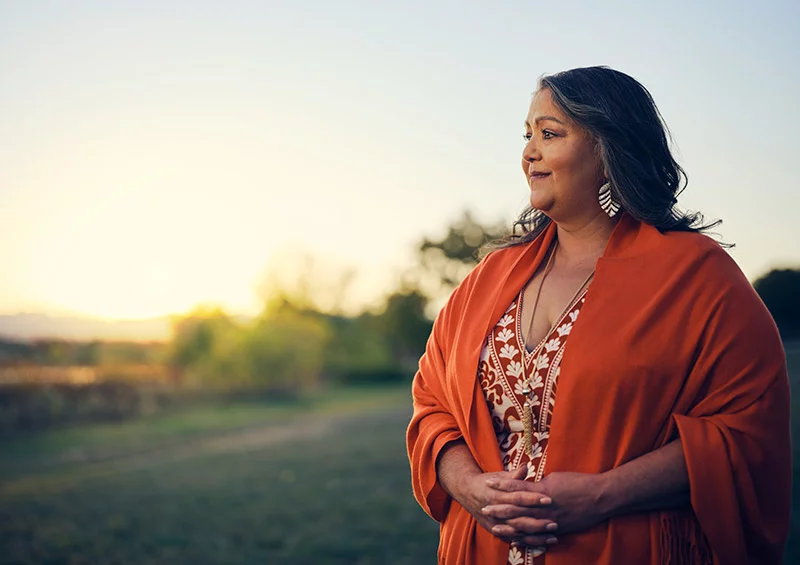
In the fall of 2022, Dana began working with experts at the Transplant Center at UCHealth University of Colorado. Less than six months later on Valentine’s Day 2023, she received word that she had been accepted as a transplant candidate.
“Transplant is the best option by far, but unfortunately, it’s not the first thing many people, especially in the Hispanic community, think of,” said Dr. Sixto Giusti, UCHealth nephrologist and director of the UCHealth Hispanic Transplant program. “When compared with dialysis, a transplant will allow patients to have more energy, live longer, and overall have a better quality of life.”
Dana’s hopes rose twice about potential kidneys a few weeks after she was put on the transplant list that February. The second time, she was even at UCHealth in an operating room, dressed in a gown and ready for surgery. Sadly, the kidney was not viable for a transplant.
“That was heartbreaking. I was crushed. Everyone at UCHealth was wonderful about it, but I was so broken that I would have to go back to dialysis. I went home, brushed my teeth and cried the whole four hours I was in the dialysis chair.”
Miguel watched and felt his own heart breaking. Within a few weeks, he was being tested at UCHealth for organ compatibility with his wife.
“I think my biggest feeling was that I needed to find out right away if I could be a match because I hated watching her go through this,” Miguel said.
Encouraging Hispanic dialysis patients to get transplants, as well as people to become living donors
Kidney dialysis has been around since the 1940s. While it saves lives, it’s hard on the body, and doctors would like it to be more of a bridge to getting a transplant rather than a substitute for transplantation.
“It’s not a forever thing,” said Gladiz Martinez, clinical nurse specialist with the UCHealth Transplant Center. “While dialysis keeps patients alive, it does not have all the functions a kidney has, leaving patients with side effects related to the toxins and excess water not cleared by the dialysis filter. In addition, when compared to a transplant, patients on dialysis tend to have a shorter life span.”
Martinez educates Hispanic dialysis patients about transplants. And she encourages healthy community members to become living donors.
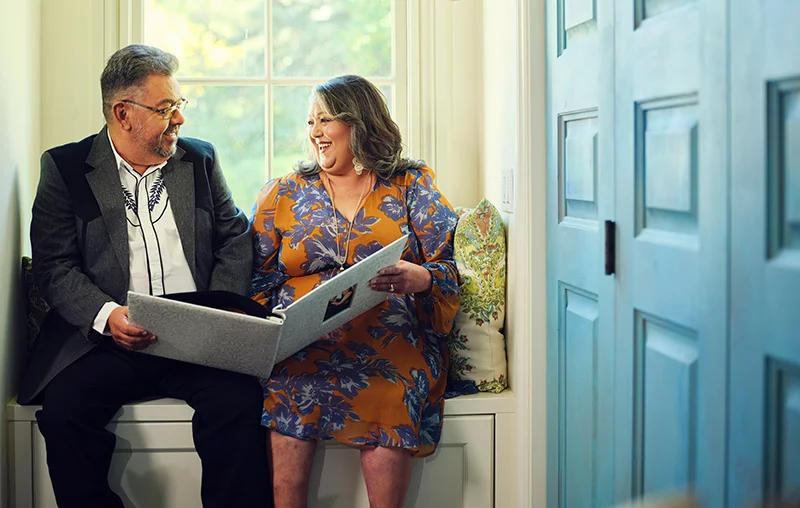
“Our Hispanic Transplant program consists of a lot of outreach to shine a light on transplant issues. We want people to know that you don’t have to suffer and be on dialysis, and that after donation, there are few if any side effects for a donor,” said Martinez, who is also a clinical instructor in renal medicine and hypertension at the University of Colorado Anschutz School of Medicine.
The program tries to help Hispanic patients overcome concerns and reduce doubts among family members. Challenges include language barriers, historic health inequities, distrust of the medical community and a hesitancy to ask loved ones to consider donating for fear of placing them at future medical risk.
While family members often are motivated to donate a kidney if asked, the reluctance is typically on the part of the patient who doesn’t want their loved one to suffer, Martinez said.
The Hispanic Transplant program proudly boasts a dedicated team of bilingual professionals, including doctors, surgeons, nurses, social workers, pharmacists and financial team members. From the get-go, bilingual staff members meet with patients and speak to them in their preferred language to help allay their fears.
“Depending on their cultural background, we can make them feel comfortable and help guide them through what can be a complicated process,” said Guisti. “Our team goes that extra mile explaining in detail the whole process from evaluation, scheduling, finances, medications and what they’re getting into.”
“We hold their hands through the entire process, and that is vital. We understand their family structures, and we know how to help family members assist their loved ones on everything from pain management to driving to labs to helping with medications,” said Giusti, who is also an associate professor of renal medicine at University of Colorado Anschutz School of Medicine.
The team approach is critical to long-term success for the patient’s new kidney as it includes a lifetime of adhering to medications such as immunosuppressants so a patient’s body doesn’t reject the organ.
“We want their kidney to work for the rest of their life, so patients need to know they have to take their medications without fail, which is why education is key,” said UCHealth organ transplant pharmacist Patrick Klem. “You become part of our family after a transplant, and we are always here for you when you have a problem.”
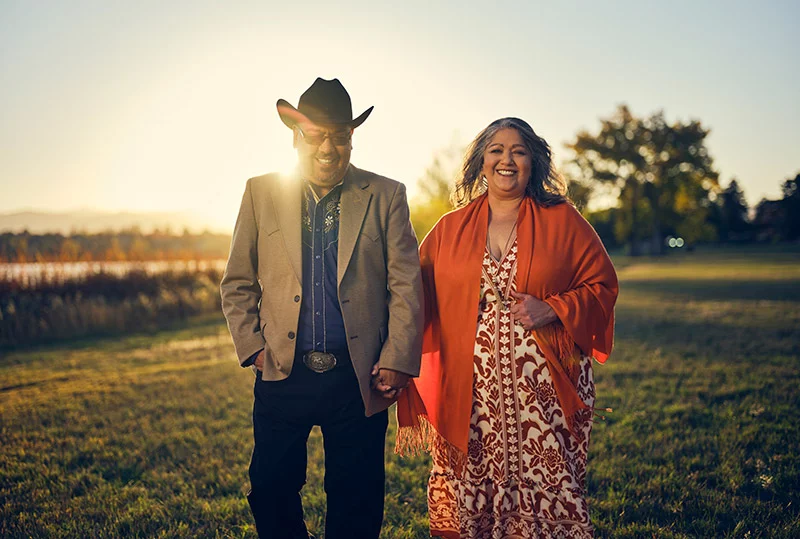
Screening is vital since Hispanics face disproportionate risks of kidney disease and kidney failure
Hispanics face a disproportionately higher risk of kidney disease and kidney failure when compared to non-Hispanic Whites, largely driven by high rates of diabetes (especially type 2) and hypertension, which are major causes of kidney disease in the community.
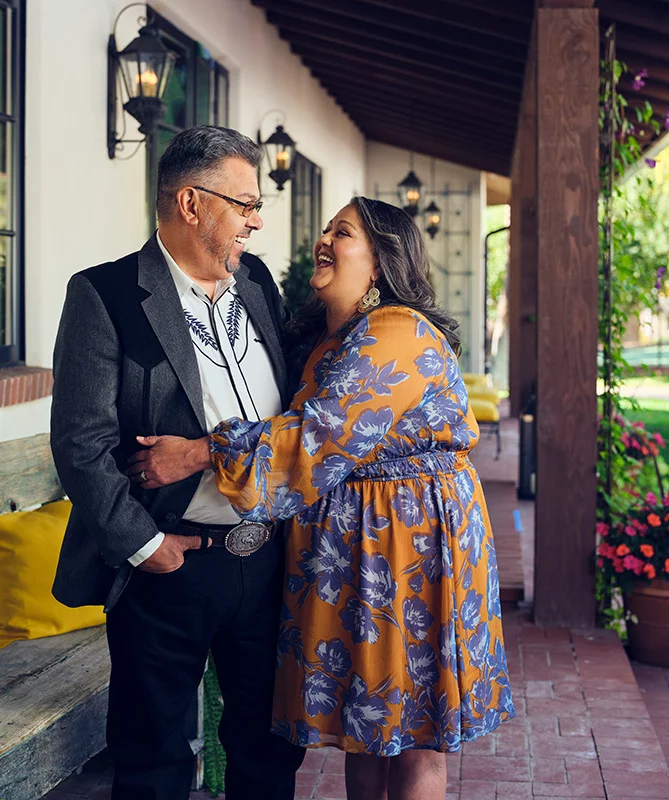
“This is a priority that we are addressing,” Klem said. “Ideally, we would like to get people to think about transplants before they get to dialysis. That means raising awareness about kidney disease, which shows up in a lot of people first as hypertension and diabetes.”
Giusti agreed, saying in a perfect world, everyone would be screened for kidney disease to avoid its harmful progression; in lieu of that, he would like to see early intervention to prevent it, along with early transplant referral.
“We need to educate the community about the importance of getting screened for high blood pressure and high blood sugar, as early interventions can potentially avoid the development and progression of kidney disease.
“We also need to make sure that referring providers begin the conversation about kidney disease and the treatment options patients have earlier. That way, patients can potentially spend less time on dialysis or ideally avoid dialysis altogether. It’s better for us as a society, not just morally, but economically, to have patients get transplants. Compared with dialysis, there is a significant cost savings. Also, these people are working members of society and are ready to get back to work when they recover and are freed from dialysis.”
The Ramirez’ became enthusiastic spokespeople for the donation process.
“We want everyone to know that nothing happens to the donor,” Miguel said. “The risk is very minimal.”
Dana agreed and said transplants offer a better tomorrow for patients on dialysis.
“I am here to shout from the mountaintops and let people know they don’t have to be condemned to a dialysis chair. There is a better way.”

Lots of exams and questions for Miguel as he tries to become a donor for Dana
National statistics show there are more than 100,000 people in the U.S. with end-stage renal failure who are waiting for kidney transplants.
In Colorado, people wait an average of two to five years for a deceased donor kidney. A kidney from a live donor allows patients to receive a kidney in much less time, and they can stop dialysis.
A living donation comes in two forms: direct donations that go to a friend or relative of the donor, or a non-direct donation (also called an altruistic donation), where the donor does not have an intended recipient. Donors can start a “kidney chain” where a kidney would go to someone waiting for a transplant whose intended donor was incompatible. This starts a “chain” when that donor’s kidney would instead go to another person waiting for a kidney, and so on.
Doctors are looking for a compatible match, not a perfect one, which boils down to blood type, age, size, health of the donor and geographic proximity to the patient. Advanced immunosuppressants have done wonders to help with other factors.
“Our goal is to get people transplanted off of dialysis, or get them transplants before they even start dialysis,” said Kelly McBrayer, manager of the UCHealth Living Donor Transplant Program.
Once the UCHealth Transplant Center received Miguel’s living donor application and after an initial phone screening, he underwent a 325-question psychosocial-medical evaluation that is part of the rigorous psychological prep work organ donors face.
He also had a full medical workup and numerous exams to ensure he was medically eligible to donate his kidney. In nearly all cases, a donor’s remaining kidney quickly learns to compensate for the missing one as donors resume their normal activities.
At the end of March, Miguel got a call from a UCHealth nurse with the good news: he was a 100% match for Dana.
“My eyes teared up,” he said.
Miguel left work early and was waiting for Dana with the news when she came home from shopping.
“I said, ‘Hey we’re a match.” And she said, ‘Yeah, I’ve known from the beginning when we started dating that we were a match.’” He replied: ‘Dana are you listening to me? We are a match for the kidney.’’
She put her groceries down while they hugged and cried.
On April 24, 2023, the day of their 28th anniversary, Dana and Miguel got the call that their surgery was scheduled for a couple of weeks later on June 5.
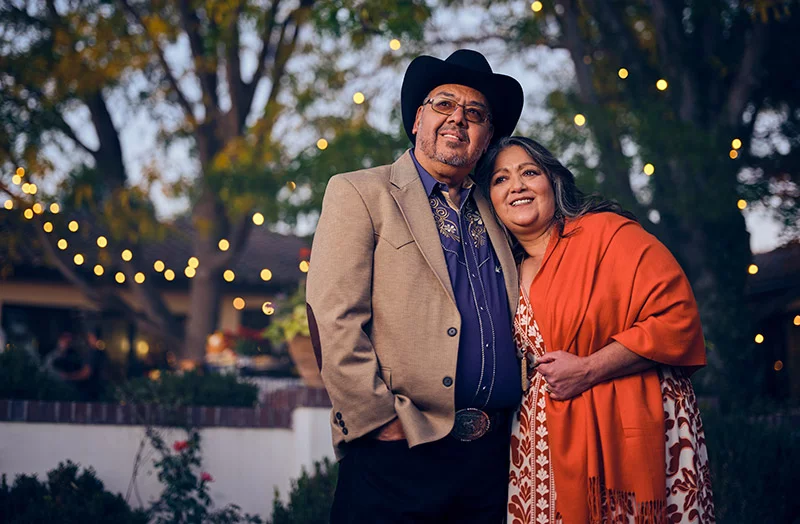
Dana and Miguel go in together for her transplant surgery
Just before being wheeled into their surgeries, Miguel and Dana paused.
They said “I love you” to one another, and they kissed.
Then Dana thanked her husband, adding that she had prayed the night before that the operation would be a success.
“I asked God to let the UCHealth doctors wake up with clear minds, open hearts and magic hands. I said, ‘Lord, if this is within your will, make it happen … have us both under your wing.’”
The robotic surgery went smoothly. Dana’s body accepted Miguel’s left kidney without fail, and she urinated immediately, which is exactly what doctors want. Dana and Miguel both got to return home three days later.
While Miguel experienced a lot of fatigue for several months after donating his kidney, Dana was up and about in no time.
“I felt like a brand-new person, like I was reborn. I have two birthdays now, one, my actual birthday, and one when I had the transplant, because that is when I got a second chance at life. No one else has to celebrate. It’s just Miguel and me. It’s something between us.”
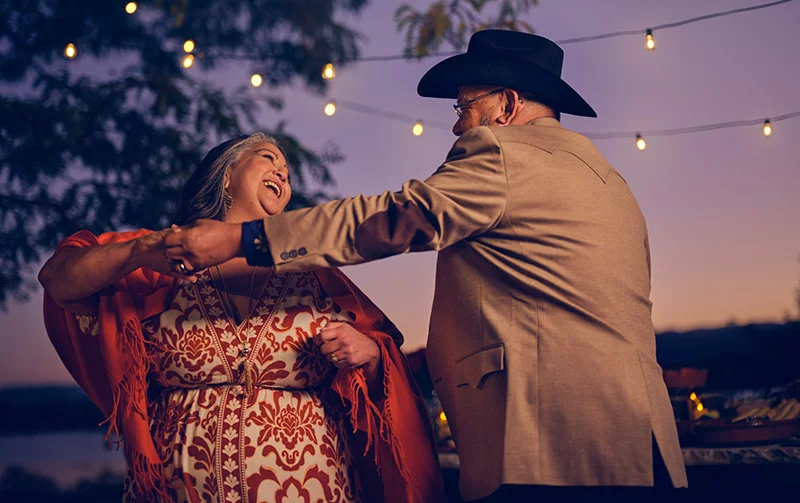
A future together: for better, not worse, and hopefully good health
Six months after her transplant, Dana, now 55, hit a rocky patch with some severe urinary infections, and she was hospitalized for three days. She suffers from neuropathy and lymphedema in her right foot and leg and seeks relief with compression wraps and occasionally a pump to help eliminate the excess of fluid that collects in that area.
But the side effects are more than worth it, Dana said. She has enough faith in her newfound good health that she allows herself to dream about special moments yet to come.
“I want to see my daughter walk down the aisle and be there when my son comes home and tells me he met that special person. I want to look my grandchildren in the eye someday.”
Miguel, 57, is newly retired, and the couple is looking forward to gardening and traveling. A trip to Greece is on their bucket list.
Appreciation and gratitude are mantras Dana never gets tired of practicing.
“There’s not a day that goes by when I don’t tell Miguel how grateful I am. People always say after you are sick, ‘Live like there is no tomorrow.’ I live like there is a tomorrow.”
To become a living donor, or learn more about living donations, visit the UCHealth living donor website.