

UCHealth concedió recientemente 775.000 dólares en subvenciones a 76 organizaciones sin ánimo de lucro en todo Colorado, ayudando a las comunidades a superar barreras y crear caminos hacia una mejor salud. Estas subvenciones apoyan programas que ofrecen servicios esenciales y abordan factores que moldean los resultados en salud.
Desde ampliar la atención preventiva y el apoyo en salud mental hasta combatir el hambre, proporcionar vivienda y abordar la estabilidad financiera, estos programas están diseñados para tener un impacto duradero en las comunidades a las que sirven.
“UCHealth is honored to partner with organizations that are breaking down barriers and creating healthier futures for Coloradans,” said Christina Hixson, UCHealth’s senior director of partnerships and community benefits. “These grants are more than funding. They’re investments in stability, opportunity and long-term wellness for individuals and families across our state.”
La financiación apoyará clínicas comunitarias, programas de extensión, servicios de salud mental, asistencia alimentaria y apoyo al transporte, mejorando el acceso a servicios y atención esenciales para poblaciones desatendidas. También fortalecerá los programas que proporcionen ayuda para el alquiler, alojamiento, educación y desarrollo laboral, ayudando a las familias a prevenir desahucios y cerciorar la independencia financiera.
Los premios oscilan entre 1.000 y 30.000 dólares, con los galardonados seleccionados por sus soluciones innovadoras impulsadas por la comunidad que mejoran la salud y el bienestar.
Recipients in metro Denver and Boulder County were awarded $287,000 in grants and include:
- Cultivate – supporting the Vets Go program that provides no cost, non-emergency medical transportation to Veterans and their families.
- Rise Against Suicide – providing free, immediate access to therapy for youth ages 19 and under who are at risk of suicide.
- The Gathering Place – offering one-stop, low-barrier access to health, nutrition, financial, and housing support for low-income and marginalized communities.
- City Year Denver – supporting Colorado Youth Mental Health Corps and Social Work Fellows program
Los beneficiarios en el sur de Colorado (condados de El Paso y Pueblo) recibieron subvenciones de 218.000 dólares que incluyen:
- Food to Power – partnering with local supermarket in Colorado Springs to take in surplus healthy food and give it away to people in need through its No Cost Grocery locations in the city. Read more about Food to Power.
- Pueblo Cooperative Care Center – providing Pueblo County residents with access to food, clothing and other essential support services
- Carmel Veteran Service Center – preventing homelessness among veterans through case management, employment assistance and vocational opportunities
- National Alliance on Mental Illness (Colorado Springs) – expanding its school-based mental health program which helps youth recognize they are not alone in times of struggle and identifies sources of support
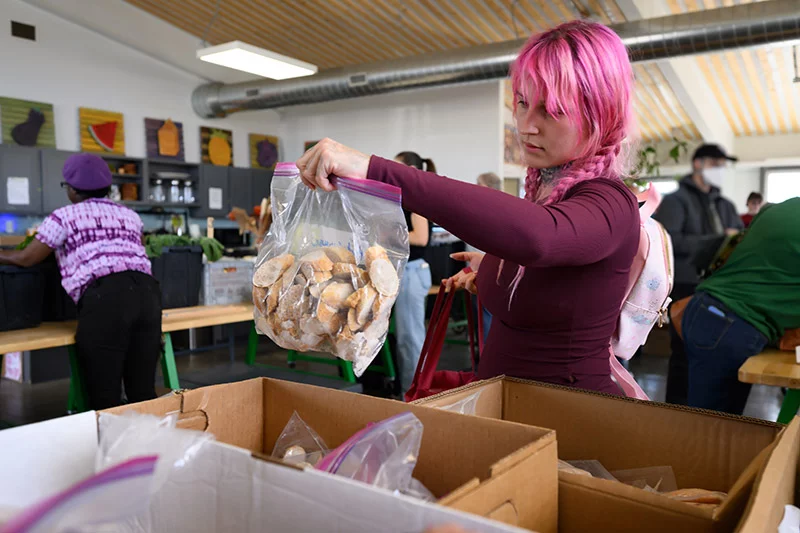
Alyssa Hostetler took home fresh lettuce, strawberries, apples, as well as meat and eggs after shopping at No Cost Grocery through Food to Power. Photo by Mark Reis, for UCHealth.
Los beneficiarios en el norte de Colorado (condados de Larimer y Weld) recibieron 270.000 dólares en subvenciones que incluyen:
- Alliance for Suicide Prevention – offering outreach to engage high-risk and underserved populations
- The Family Center / La Familia – providing onsite vision, hearing and oral health screenings
- Weld Food Bank – supporting the Emergency Food Package (EFP) program
- Food Bank for Larimer County – launching a senior nutrition pilot program
- Fort Collins Rescue Mission – supporting Harvest Farm, a long-term residential recovery program
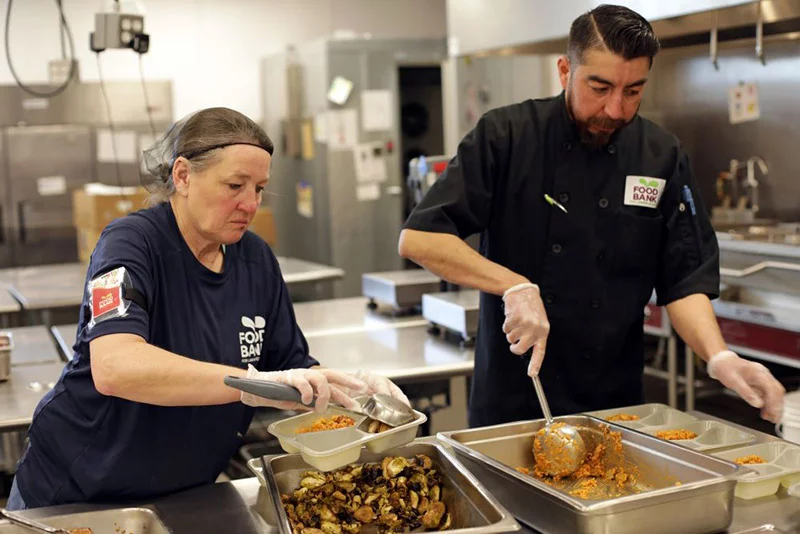
The Food Bank for Larimer County launched a senior nutrition pilot program. Photo courtesy of Food Bank for Larimer County.
A full list of all grant recipients can be found at the UCHealth Newsroom website.
UCHealth is dedicated to improving lives in the communities it serves. Last year, UCHealth provided $1.3 billion in community benefits, including $568 million in uncompensated care.