
More and more children and adults are getting diagnosed with autism, and while the number of people who have autism or autism spectrum disorder is on the rise, the causes remain unclear.
You might have heard misinformation about links between Tylenol use during pregnancy and increased risk of autism, but researchers are focusing much more on genetic causes for autism rather than focusing on medications women use during pregnancy.
A study on autism and genetics that researchers published last July has generated significant discussion among both medical experts and members of the public.
One of the researchers’ key conclusions was that people with autism fall into four categories, broadly based on the degree of their developmental delays, social challenges and other health issues. The researchers raised many questions about autism, including what causes it and how genetics and the environment — and the interplay between genes and environmental factors — may influence brain development.
The study authors also highlighted the idea that a single word or term — “autism” or “autism spectrum disorder” — is not sufficient to describe or understand a condition that affects children and adults in many different ways.
For example, the Diagnostic and Statistical Manual of Mental Disorders, 5th Edition (DSM-5) — which summarizes psychiatric conditions — lists five different criteria for a diagnosis of autism. The criteria center on persistent difficulties in “social communication and interaction” and “repetitive patterns of behavior, interests or activities.” The real-life dramas, however, center much more on how these challenges play out for individuals.
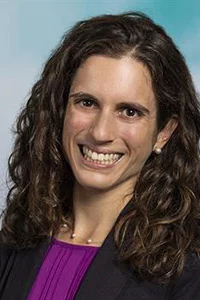
To learn more about autism and the challenges it presents for both patients and doctors, we spoke with Dr. Jessica Solomon Sanders, a specialist in neurodevelopmental disabilities who treats adults and children with autism at UCHealth Neurology Clinic-Central Park and at Children’s Hospital Colorado.
Sanders said that grouping people with autism into categories does not address the complexity of making a diagnosis of autism or understanding the mystery of what causes autism. She said genetic testing for autism is vital to helping patients and their families.
What is autism?
“Autism describes how someone acts and how someone has developmental differences,” Sanders said. Doctors make assessments based on observation, interviews and standardized tests to make a diagnosis of “autism spectrum disorder,” based on the criteria in DSM-5.
“If someone meets those criteria, they have autism,” Sanders said. “But those diagnostic criteria and that diagnosis say absolutely nothing about what causes autism.”
How can we better understand what causes autism and the role of genetic testing to help people with autism?
The key is genetic testing, Sanders said. Researchers have linked hundreds of genetic mutations to autism. Some of these mutations are also associated with specific syndromes, or conditions, such as growth problems.
“When we get more and more genetic understanding of the causes of autism, we can say, ‘you have this syndrome, with this mutation on this gene, and that is causing you to develop differently,’” Sanders said. “That is why we recommend genetic testing now in everyone who has a diagnosis of autism, no matter their age.”
How have researchers linked specific genetic mutations and developmental disabilities and syndromes in people with autism?
An important example is the SPARK study, which promotes genetic testing of people with autism around the U.S. As of the end of 2025, SPARK organizers reported that its scientists and other researchers had identified more than 400 genes associated with autism. So far, data from SPARK genetic testing has generated some 225 research papers.
“The SPARK study is not done yet, but it is definitely what is needed. It gives us more data to have more associations available,” said Sanders, who is also an assistant professor at the University of Colorado Anschutz School of Medicine.
There are many other large repositories of genetic data on autism, including the NIMH Data Archive – NDA.
What do you look for when you do genetic testing for a person diagnosed with autism?
“You’re looking at what genes the person has that are different from those in the general population,” Sanders said.
That means identifying specific mutations, deletions or duplications in the genetic code that have been associated with the same change in another person’s genetic code that also causes a disability.
Does genetic testing always reveal the cause of a person’s autism?
No, genetic testing does not always provide answers for what causes autism in an individual.
Sanders said that genetic testing yields specific clues for about 20% to 50% of people with autism who get genetic testing.
“There is a higher chance of finding a genetic disorder if you have autism plus an intellectual disability or seizures or a movement disorder,” she said.
With a low success rate, how can genetic testing help in treating a person with autism?
Sanders stressed that in her practice, she uses genetic testing to aid her clinical decision making.
“In our clinic, we do genetic testing to look at why you have autism,” she said.
As she noted, some genetic syndromes come with increased risk of other health problems.
“So, another reason for genetic testing is that it can help us make sure that we can keep someone as healthy as possible.”
For example, if a person has a genetic syndrome linked to heart problems, Sanders and her colleagues can pay close attention to their symptoms with echocardiograms and EKGs and give them the treatment they need as early as possible.
Another reason for doing genetic testing is that it can possibly give a person a chance to enroll in clinical trials, especially if there is one whose focus “is specific to your genetic difference,” Sanders said.
Why has the prevalence of autism risen in recent years?
Sanders said isolating the reasons for the increase in autism is “the million-dollar question.” She pointed to better understanding of “the environmental and genetic underpinnings” of the condition as an important step toward that answer. As of now, there is no definitive proof that pollution, chemicals or other substances in the environment are associated with autism, she added, but the question is deserving of further research.
“I also think that there is more recognition of autism than there used to be in children and adults,” she said. “So where someone might have been considered ‘odd’ or ‘socially awkward,’ we can now recognize that they meet diagnostic criteria for autism spectrum disorder and deserve targeted supports to help them live their fullest lives.”
What does the term ‘neurodiversity’ mean, and how do you view it as a doctor who cares for people with autism?
People who use the term “neurodiversity” are acknowledging that brain function is different from individual to individual.
“Neurodiversity is more of an identity than a medical diagnosis,” Sanders said. “Anyone can identify as being neurodiverse, and that makes for our rich, dynamic world.”
However, she added, the different ways some people with autism think about and see the world can clash with what society expects in the workplace and in other situations where they encounter others, she added.
“It’s hard to be all positive when someone struggles to function in the world in which they live,” she said. As a doctor, she said she seeks to balance honoring her patients’ individuality with helping them to function more comfortably with others.
“I keep both things in mind in saying, ‘What supports could we put in place to help you with these aspects of living in the society and the world?’” At the same time, she looks for ways to capitalize on her patients’ “incredible strengths” and “bring them to light so they can feel fulfilled.”
What supports are most important to provide for people with autism?
Supports for people with autism have to come at both the individual and societal levels, Sanders said. The idea is to create a world in which being neurodiverse doesn’t mean that it is harder to thrive as an individual, she added.
“It’s important to work on the policy and advocacy side to create more flexibility in the workplace and in transportation and housing options,” she said. The Autism Society of Colorado, for example, provides a varied list of resources for people with autism, their families, their loved ones and organizations that want to build a supportive environment.
Describe how you provide care for adults with autism at the UCHealth Neurology Clinic-Central Park and for children at Children’s Hospital Colorado.
“No matter the age, I always start with finding out what are the individual’s strengths, either by asking them or, if they have communication challenges, asking their supporters who come with them,” Sanders said. “Starting that conversation with what they love and what makes their life harder is important for me to decide what therapeutically we are going to work on.”
Sanders also cited “non-negotiables” that she asks about for both children and adults, including issues they may have with eating, sleeping, toileting and mood symptoms, such as depression and attention deficit hyperactivity disorder (ADHD).
“I want to make sure that they feel safe where they live, where they work and where they travel,” she said.
In her adult clinic, Sanders also looks for immediate problems she can help treat, such as vision, hearing, thyroid issues, vitamin deficiencies, memory, attention span, balance and pain.
“We look at all domains that affect functioning, making sure we also ask why they have autism,” she said. “And if we haven’t asked that, we think about redoing genetic testing or doing it for the first time.”
In addition, Sanders said it is important to recognize that the services adults with autism need don’t fit neatly into patterns. For example, a “high-functioning” individual may need more medical care than someone with severe communication issues and intellectual disabilities, but determining that relies on working closely with each person.
With so many co-occurring conditions that affect people with autism, do you rely on support from other providers at UCHealth and the University of Colorado Anschutz School of Medicine?
“Yes, over the last five years, we’ve developed a grassroots network of doctors who care about adults with developmental disabilities or child-onset conditions,” Sanders said. She and colleagues in urology, internal medicine, family medicine, endocrinology, eye care, kidney care, social work and others get together regularly to “share our experiences and knowledge and try to make our overall care better.”
The long-term hope is that “all adult doctors are comfortable taking care of people with autism,” she said.
Do you see common misconceptions about autism?
Yes. “A common misconception is that people with autism don’t want social interaction or relationships,” Sanders said. “Having autism mostly means that social interaction and nuanced social engagement are more challenging, but that doesn’t mean it’s less desired than in anyone else.”
Another misconception is the stereotype of the “autistic savant,” an individual with uncanny powers of memory and calculation, Sanders said. This type of figure was fixed in the popular memory by the character Raymond Babbitt, portrayed in the film “Rain Man” by Dustin Hoffman.
“People with autism can be good at all kinds of different things,” Sanders said. “I think we should keep an open mind to a whole range of strengths, not just pin someone to the idea that just because you have autism you are going to be this or that. They could be brilliant artists or athletes. Anything across the spectrum of strength is open to them.”
There are also misconceptions about the causes of autism. Sanders noted that despite widespread discussion and public comment, there is no scientific proof that Tylenol or vaccines cause autism.
“In fact, there is strong scientific proof that vaccines do not cause autism,” she said.
As a specialist in neurodevelopmental disabilities, what are the most important things you have learned about autism?
“The majority of my learning about people with autism, neurodiversity and developmental disabilities is through interactions outside the clinic,” Sanders said. She devotes her time in the clinic to pinpointing and addressing her patients’ medical problems. “But I think you learn the most when you are doing inclusive things.”
For example, Sanders said she partners with Access Gallery, an art studio where people with disabilities work and display their art.
“I have learned so much about the brilliant minds of people with neurodiversity by partnering with them, Special Olympics and Best Buddies,” she said. “I’ve learned about the incredible ways that people think differently, and you really get those eye-opening experiences by having a relationship with someone.”
In the clinic, Sanders said she has learned that “the more you ask, the more you find.” Asking questions of her patients sometimes opens unexpected doors.
“It’s important always to ask about everything that might impact someone’s behavior or specific preferences or anxieties or their health, no matter how high-functioning they look,” she said.