How an infusion team reshaped the bell-ringing experience
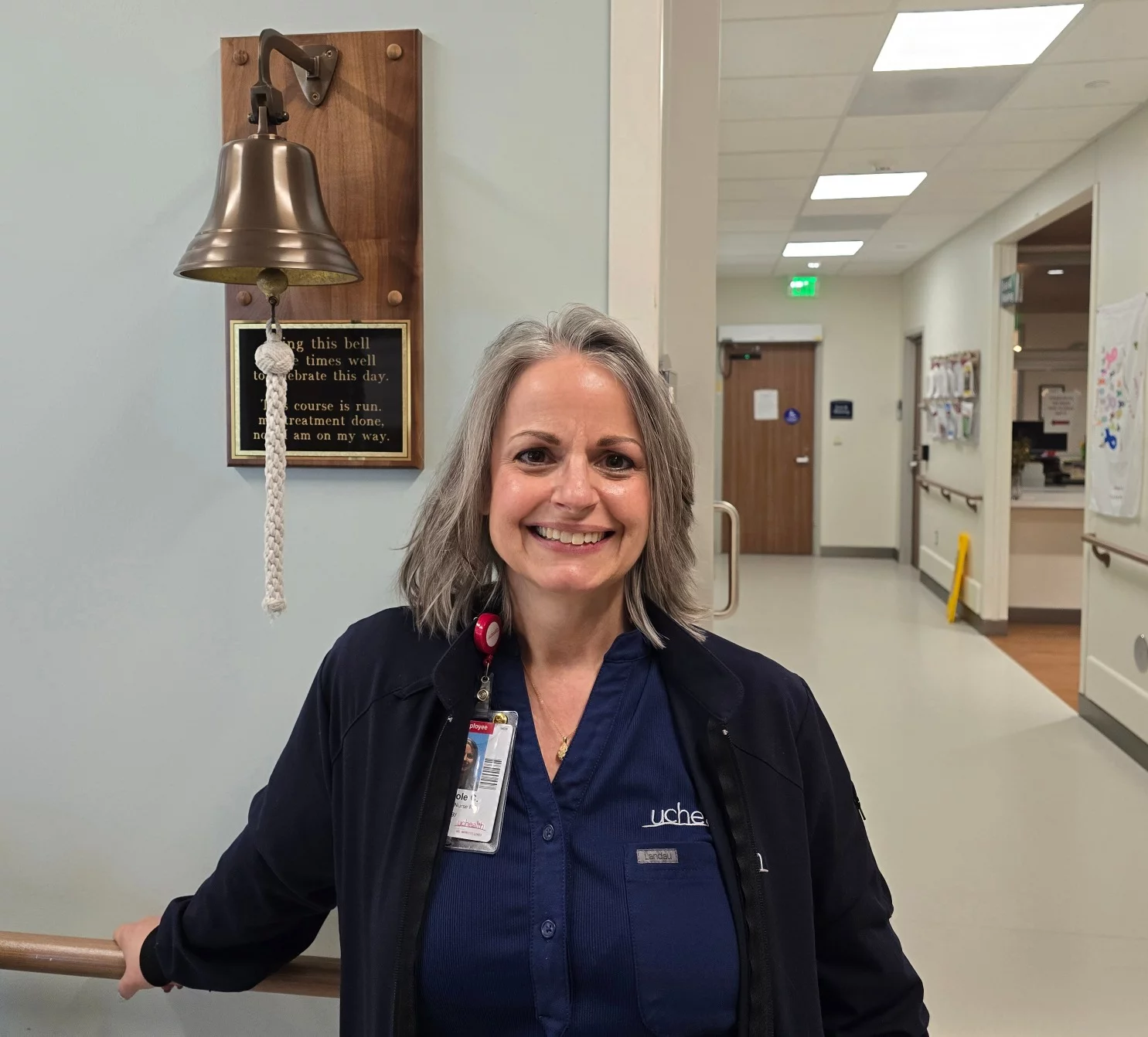
Watching a patient ring the ceremonial bell — an action that marks the end of cancer treatment and symbolizes hope for the future — is deeply rewarding. It is a celebration that brings joy to patients, families and the care teams who have walked alongside them, oftentimes for months.
At the outpatient infusion clinic at UCHealth Memorial Hospital North, one patient’s special moment called for a thoughtful approach. She was deaf and could not hear the bell.
“She deserves the same experience as every other patient,” said infusion nurse Nichole Coates, who got to know the patient well over nearly six months, even bonding over their shared love of orange Tic Tac mints.
“I just adored her,” Coates said. “I knew that she was coming up on her end-of-treatment date. However, I talked to her sister, and her sister let me know the bell would not have the same significance to her because she can’t hear it,” Coates said.
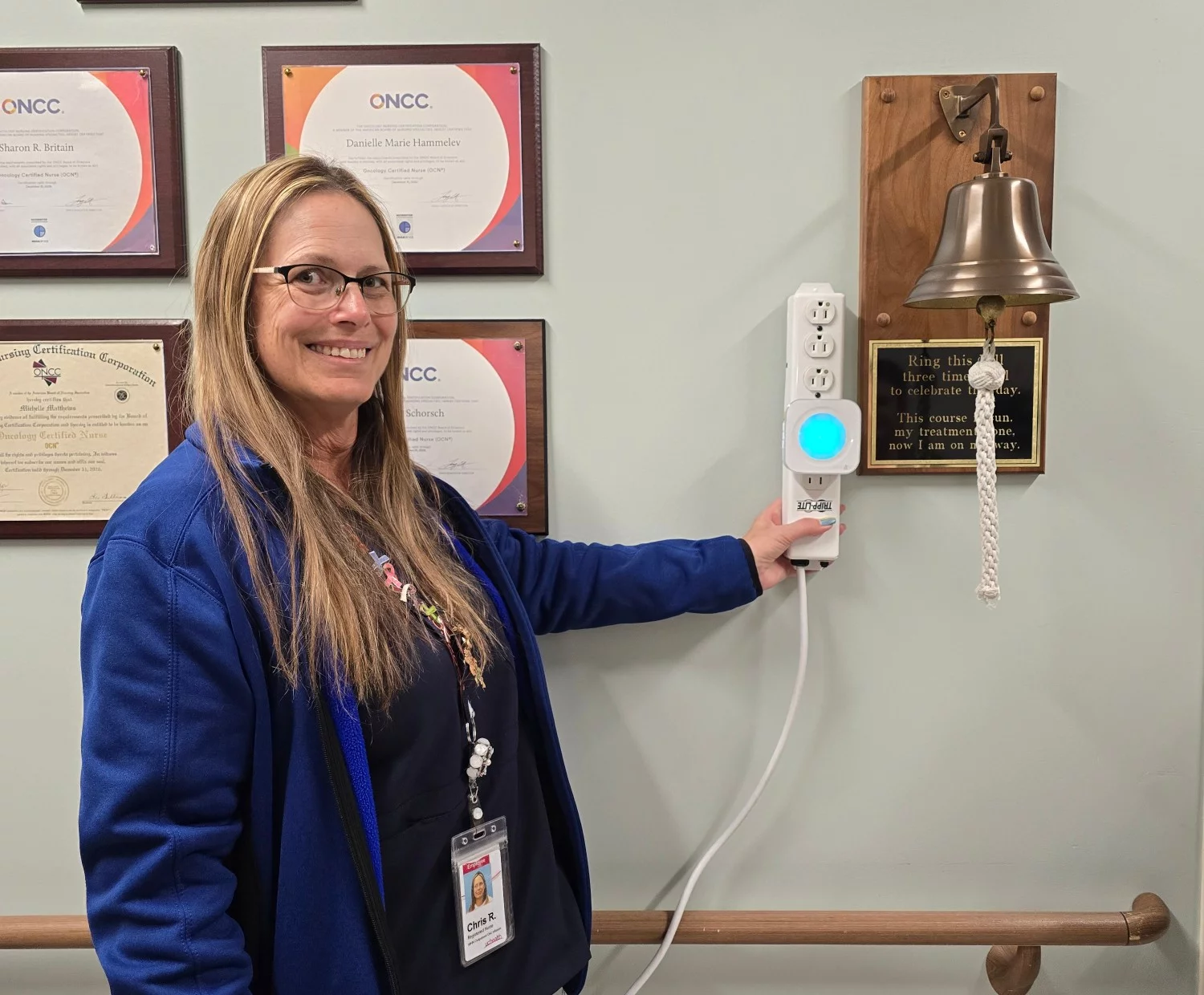
Coates started thinking about alternatives. She talked with Hector Moreno, an Americans with Disabilities Act coordinator at UCHealth, to explore options. Moreno suggested she use a sensor light that flashes when it detects sounds, such as a bell.
Coates also researched American Sign Language on YouTube and sent along short video tutorials to her colleagues so the infusion care team could sign “congratulations” and “you did it” when the day came for the patient to ring the bell.
“This was a full team effort to celebrate our patient,” Coates said. “Everyone was on board with learning to sign. We have a staff of about 24 nurses. I work with the best team.”
Coates has been a nurse for nearly two decades, including many years in labor and delivery at UCHealth. She joined infusion care at Memorial North two years ago. Coates believes every patient deserves individualized care and that every day offers a chance to do better.
“We have many patients who have language barriers, so we use interpreters for that. This was different,” she explained.
Even with a qualified American Sign Language interpreter present at each visit, Coates realized small changes could make a big difference. She learned to slow down, face the patient directly and be more mindful of how she communicated.
Coates told of a conversation with the patient’s sister:
“Her sister said, ‘Make sure you are talking to her.’ I said, ‘You are so right — thank you for bringing that to my attention.’ From that moment on, I said, OK, wait, I need to rethink this and really individualize her care. She made me work harder, in a good way. And I learned.”
Coates also took it upon herself to learn other simple signs, which the patient and her family deeply appreciated.
“They make her feel as though she’s a VIP,” the patient’s sister said, referring not just to Coates, but also the entire care team. “Add an ‘S’ to that so it’s SVIP — a So Very Important Person.”
On her last day of treatment, the patient — surrounded by family and nursing staff — rang the bell. The light blinked blue. Staff members clasped their own hands together and enthusiastically signed “congratulations.” Hugs were given; tears were shed.
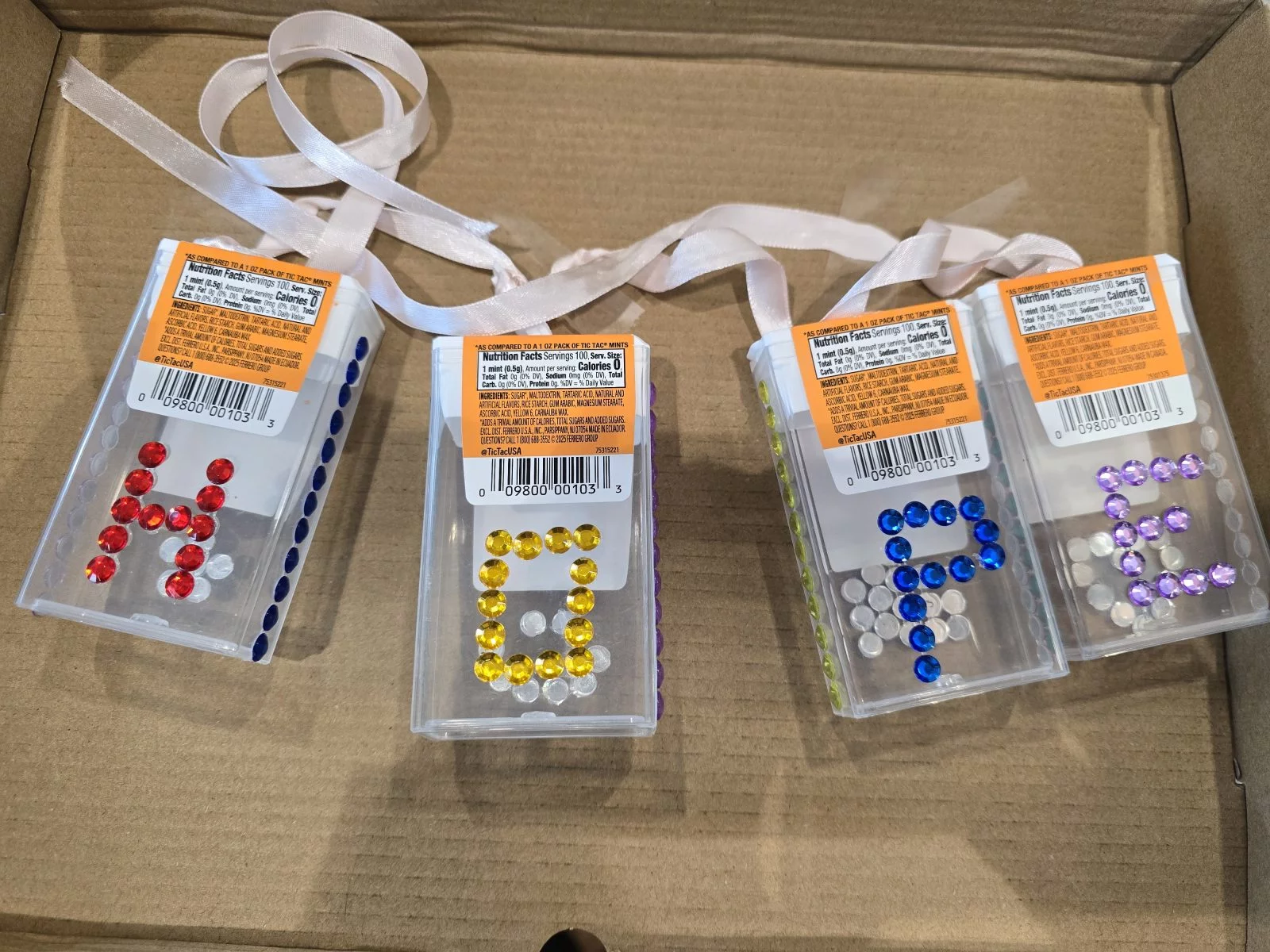
The team also presented the patient with a handmade necklace Coates had crafted from four empty orange-flavored Tic Tac boxes, each adorned with a rhinestone letter spelling “HOPE.”
“Nichole played a pivotal role in bringing this event together, thoughtfully coordinating all the right people to make the day truly special,” said Cassandra Peat, the nurse manager of outpatient oncology infusion. “The entire team in the infusion clinic cares deeply, not just about clinical outcomes, but also about how our patients feel during a time that can be scary and overwhelming. I’m incredibly proud of each and every one of them.”
Said Coates a few days afterward: “We have another patient…I think we can give them the same experience, maybe even better.”